Breast Asymmetry Correction Gold Coast & Toowoomba
Breast asymmetry refers to a noticeable difference in the size, shape, or position of one breast compared with the other. These differences can develop for various reasons, including natural growth patterns, previous surgery, or injury. Some patients seek advice when the degree of asymmetry affects comfort or personal preference.
Those considering options for addressing asymmetry can discuss surgical approaches during a consultation. Breast surgery is a significant part of Associate Professor Mark Magnusson’s practice in Toowoomba and on the Gold Coast, where he offers assessment and guidance for individuals seeking information about this concern. Each patient is evaluated based on their medical history, examination findings, and goals to determine which approach may be suitable.
Causes and Types of Breast Asymmetry
Common Causes
Breast asymmetry can develop for different reasons. Some possible causes include:
- Developmental differences: Each breast may grow at a different rate during puberty.
- Genetic factors: Family traits can influence breast size, shape, or position.
- Hormonal changes: Shifts in hormones over time may affect breast tissue.
- Previous breast surgery: Healing patterns after surgery can create changes between the breasts.
- Injury or trauma: Damage to the breast or chest area may affect tissue development.
- Medical conditions: Certain conditions can influence breast growth or tissue structure.
Types of Asymmetry
Breast asymmetry can appear in various ways, such as:
- Size differences: One breast may appear larger or smaller.
- Shape differences: The breasts may have different contours.
- Position differences: One breast may sit higher or lower on the chest.
- Nipple or areola differences: Size, shape, or height may vary between sides.
Each patient’s asymmetry can look and feel different. The degree of difference also varies and helps guide which treatment options may be suitable.
Breast Asymmetry Surgery
There are different surgical options that can be used to address breast asymmetry, depending on each patient’s needs. The process usually begins by determining whether one breast already has the preferred size and shape, or whether both breasts require adjustment. The choice of approach depends on the degree of difference and the patient’s goals discussed during consultation.
Several techniques may be considered. These can include a breast lift, breast reduction, fat transfer, or the use of implants to increase volume. The approach depends on whether a breast needs to be reduced, increased in size, or repositioned, based on the degree of difference and the patient’s goals.
Patients considering breast asymmetry correction surgery should be in good general health. Certain medical conditions may affect healing or increase risks, so a full consultation is necessary. During this appointment, A/Prof Magnusson checks the medical history, examines the breasts, and discusses which options may be suitable for the patient’s individual circumstances.
Suitable Candidates for Breast Asymmetry Surgery
With breast asymmetry, every patient’s situation is treated differently. The fundamental goal will be to create two breasts that match each other as closely as possible in terms of both shape and size. During consultation, the focus is on understanding the degree of difference between the breasts and discussing options that may help address the concerns raised. Suitability is assessed based on medical history, breast examination, and overall health.
Patients may consider breast asymmetry surgery if they have concerns such as:
- A visible difference in breast size
- One breast sitting higher or lower on the chest
- Differences in nipple or areola size or position
- Less volume in the upper part of one breast
- Breasts with different shapes
- Breast tissue sitting lower on one side
- Changes in breast appearance over time that have led to asymmetry
Dr Magnusson will assess several factors during your consultation at his clinics in Gold Coast & Toowoomba to determine whether breast asymmetry surgery is suitable for you. This includes looking at your medical history, overall health, and the specific differences between your breasts. This assessment helps guide which surgical options may be appropriate for your situation.
Consultation and Planning Process
The consultation is an important first step in understanding breast asymmetry and exploring possible treatment options. During this appointment, Dr Magnusson checks your medical history, examines the breasts, and discusses the specific differences you have noticed. This helps identify the factors contributing to the asymmetry and allows you to talk through your goals and concerns in a comfortable, informed setting.
Pre-surgical planning involves reviewing the findings from your examination and discussing which surgical approaches may be suitable for your situation. You are given clear information about what each option involves, including expected healing time, possible risks, and what to prepare before surgery. This planning process helps you understand the information you need to make informed decisions and gives you a clear outline of the steps ahead.
Cost and Financial Considerations
The cost of breast asymmetry correction can differ from one patient to another because each procedure is planned around your specific needs. The final cost may be influenced by the type of surgery recommended, whether one or both breasts are treated, and how complex the procedure is. Other factors, such as medical tests, anaesthesia, and how long the surgery takes, may also be included in the overall price.
During your consultation, you will receive a clear outline of all fees based on your treatment plan. You may also need to factor in costs for aftercare or follow-up visits, depending on how your healing progresses and whether any additional treatments are advised. All financial information is explained so you know what to expect and can plan your care with clarity.
Breast Asymmetry Correction Results
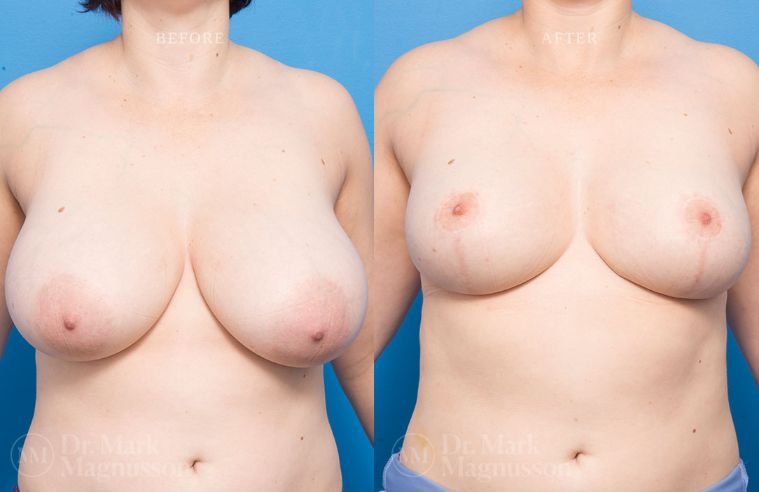
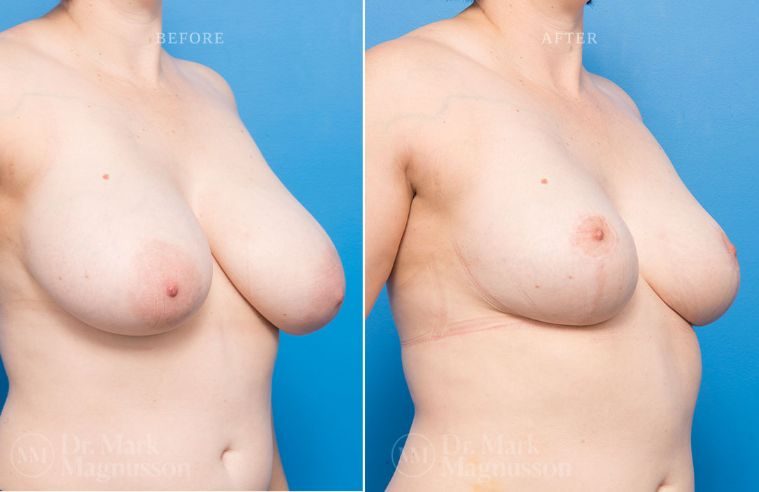
Breast asymmetry correction is a surgical procedure used to address noticeable differences between the breasts by adjusting size, shape, or position according to your individual needs. The goal is to bring the breasts closer in appearance, while understanding that some natural differences may remain. The approach used can vary, and A/Prof Magnusson will discuss suitable options with you during your consultation so you understand what each method involves.
Results can depend on factors such as your anatomy, the degree of asymmetry, and the type of procedure performed. Some patients may see changes in the breast outline, the position of the nipple or areola, or the overall contour of the breast mound. These changes are planned carefully so the outcome aligns with the goals discussed at your appointment. A/Prof Magnusson explains what is realistic for your situation and what to expect during healing.
Concerns That Breast Asymmetry Surgery May Address
Breast asymmetry surgery may be considered for a range of differences that affect the appearance or position of the breasts.
- Differences in breast size, shape, or position
- Differences in nipple or areola position
- Variations in the breast mound or chest area outline
Breast asymmetry surgery is a personal decision, and planning is done with your goals and health background in mind. During your consultation, A/Prof Magnusson explains the steps involved, possible risks, healing expectations, and the role of follow-up care. This helps ensure you have clear information when deciding whether surgery is a suitable option for you.
Recovery from Breast Asymmetry Surgery
Recovery after breast asymmetry surgery can differ for each patient, depending on the type of procedure and how the body heals. In the early days, you may experience swelling, bruising, or mild discomfort as the tissues settle. You will receive clear instructions on how to care for the surgical area, including how to keep the incisions clean, how to manage dressings if they are needed, and which activities to avoid during the first stage of healing.
As recovery continues, you may be advised to avoid heavy lifting, exercise, or sudden arm movements until it is safe to return to normal routines. Supportive garments may also be recommended to keep the breasts comfortable while healing. Follow-up appointments at Gold Coast & Toowoomba clinics are part of the process, giving you the chance to ask questions and receive guidance on what to expect over the coming weeks. These visits help ensure your recovery progresses safely and steadily.
Possible Surgery Risks and Complications
Breast asymmetry correction surgery carries risks, and it is important to understand these before deciding on treatment. The risks can vary depending on the type of procedure, your health, and how your body heals.
Possible risks and complications may include:
- Bleeding
- Haematoma (a collection of blood under the skin)
- Infection
- Delayed or slow wound healing
- Adverse or raised scarring
- Small contour irregularities
- Changes in breast or nipple sensation
- Loss of breast or nipple sensation (temporary or longer-term)
- Possible impact on breastfeeding
- Fluid build-up (seroma)
- Differences in breast shape or position as healing continues
- Need for further surgery if issues develop
- Risks associated with implants, such as the need for future reoperation
- Reactions to anaesthesia
These risks are discussed during your consultation so you know what to expect and when to seek advice. You will also receive clear instructions on how to care for the area after surgery to support healing. This guidance helps you understand how to monitor your recovery and when to contact the clinic if any concerns arise.
Breast Asymmetry Correction:
Undertaking cosmetic surgery (also known as aesthetic plastic surgery) is an intensely personal and private decision that can have very positive effects. Success comes from helping individual patients clarify their goals and then creating a bespoke plan to achieve them. With a combination of communication, experience and knowledge, A/Prof Mark Magnusson has helped many patients across Brisbane, Toowoomba and Gold Coast. Let A/Prof Magnusson help you with your aesthetic journey.
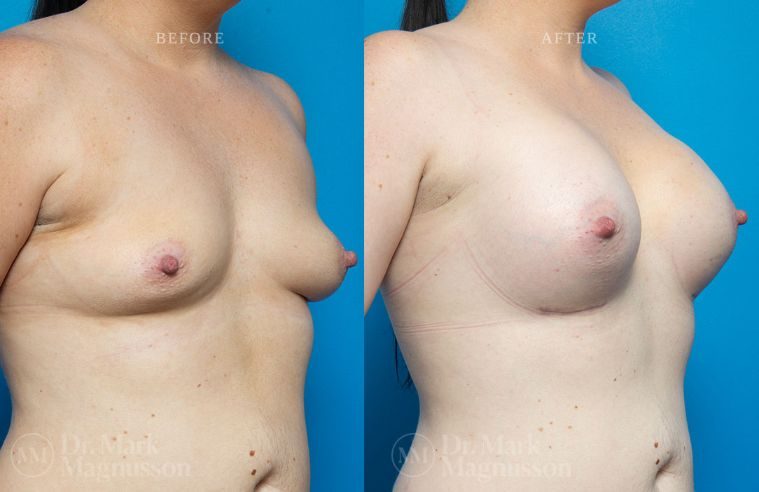
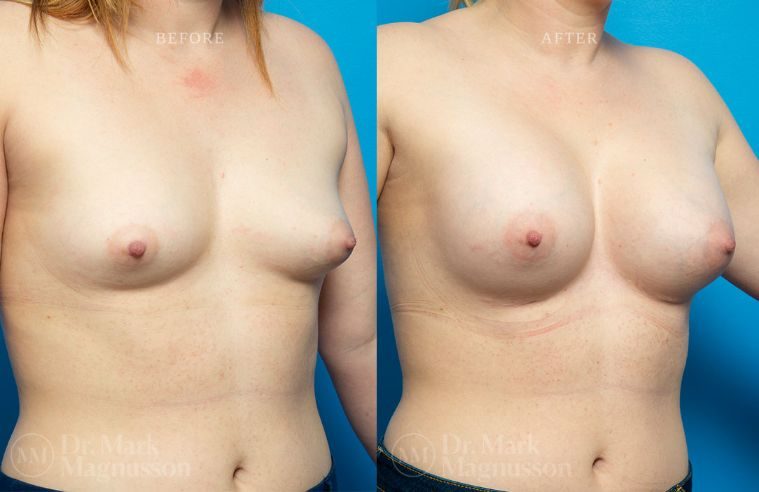
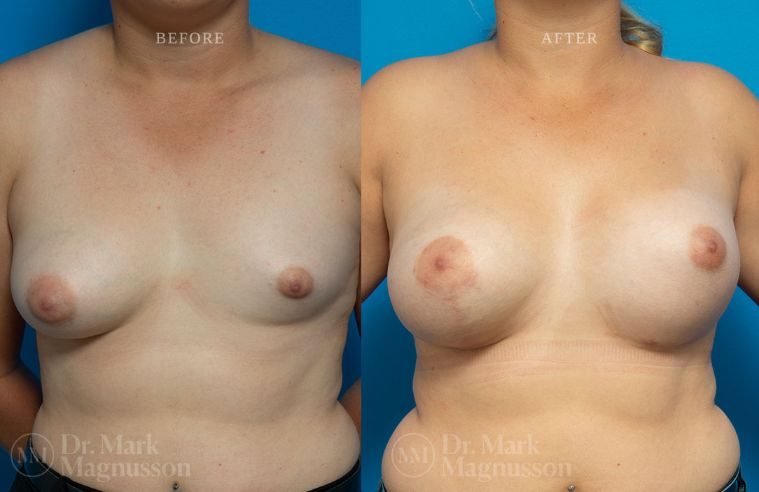
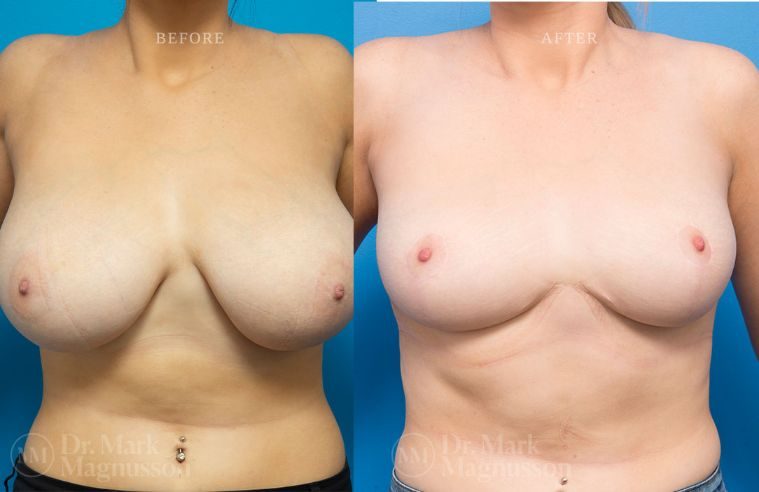
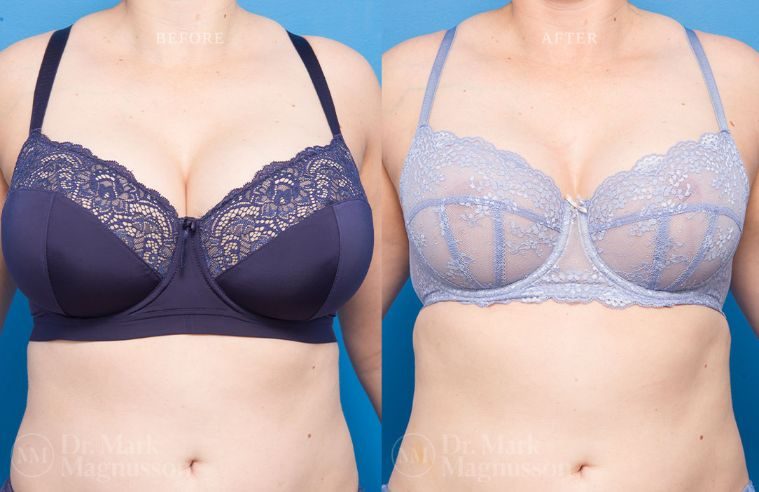
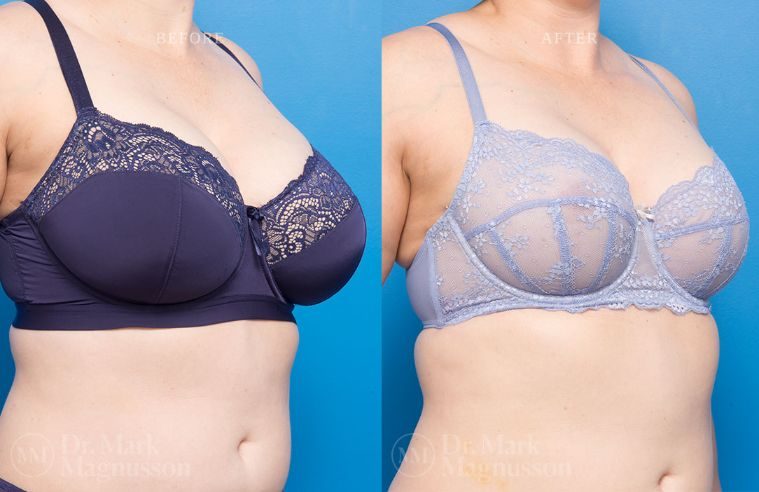
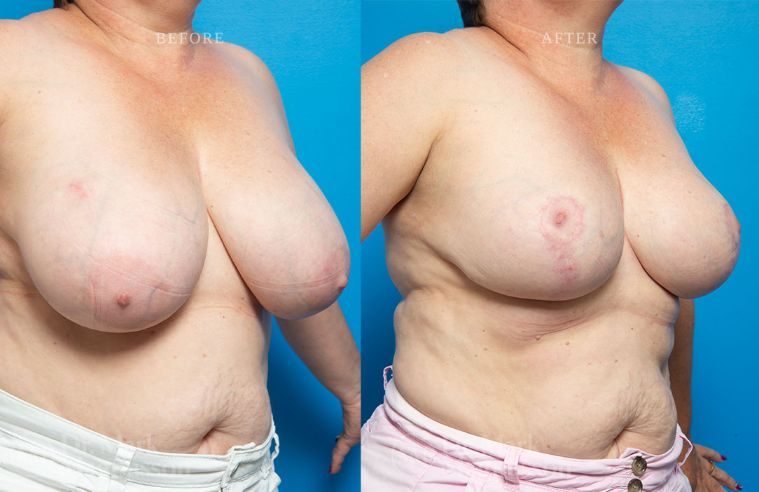
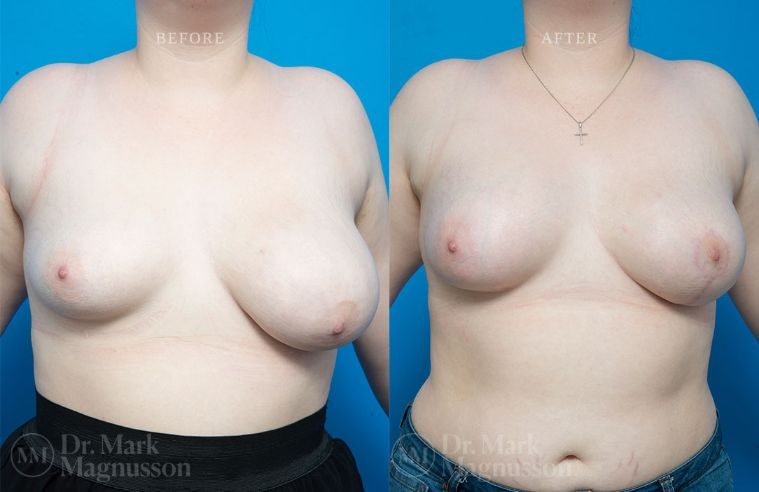
Breast Asymmetry Correction Before and After Gallery
The outcomes shown are only relevant for this patient and do not necessarily reflect the results other patients may experience, as results may vary due to many factors, including the individual’s genetics, diet and exercise.







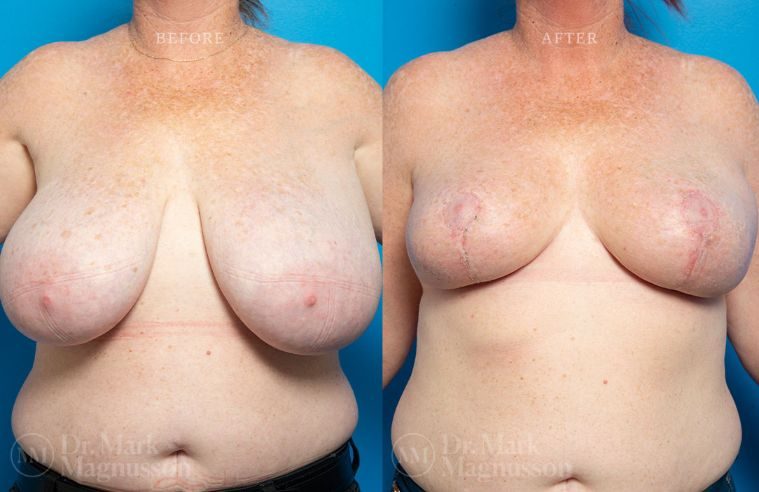

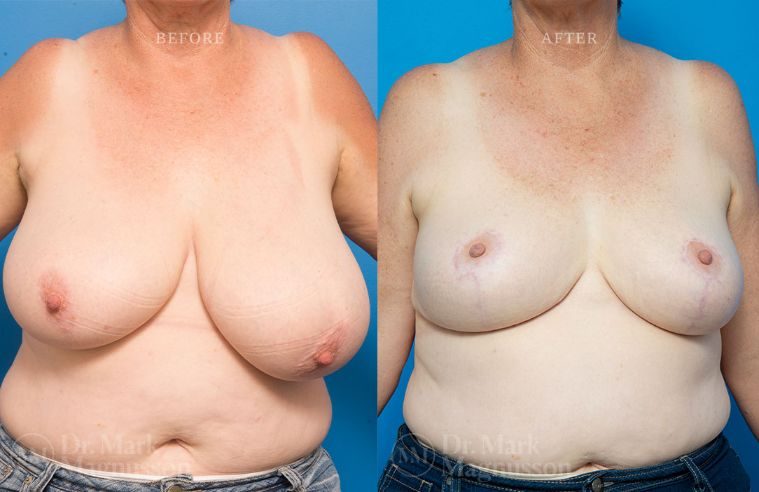
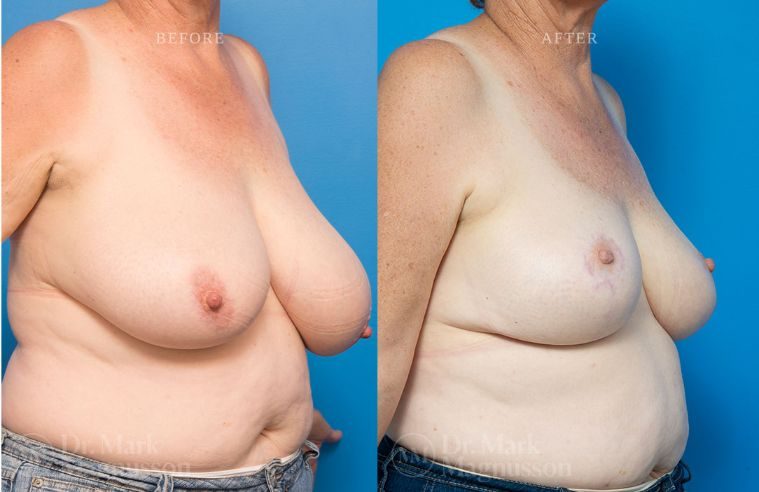

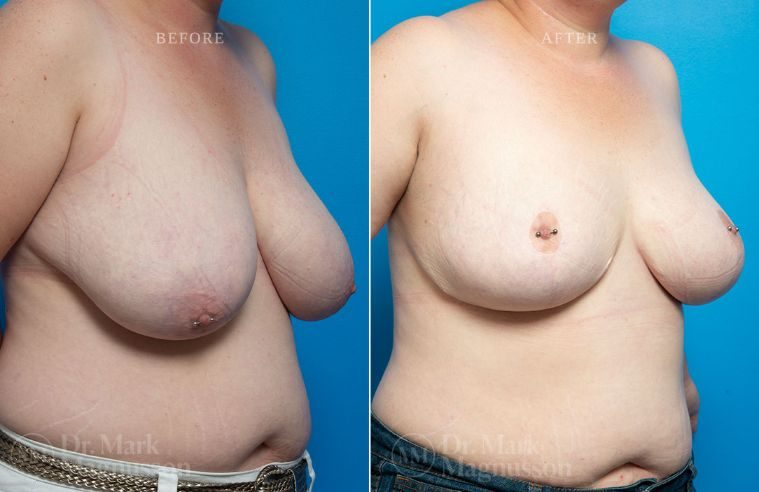


Breast Asymmetry Correction FAQs
How much does breast asymmetry correction cost?
Costs vary because each patient needs a different combination of procedures.
A detailed quote is provided after your consultation based on your individual plan. Medicare or health fund rebates may apply in some cases when specific criteria are met.
Is breast asymmetry a sign of cancer?
Breast asymmetry on its own is not usually a sign of cancer.
New or progressive changes, especially if a lump is present, should be checked by a doctor. Regular breast checks and screening follow standard guidelines.
What can I expect during recovery?
You may go home the same day or stay overnight, depending on your needs.
Swelling, bruising, and discomfort are common in the early stage of healing. You will receive clear aftercare instructions and a schedule for follow-up appointments.
Will I need time off work?
Most patients take about two weeks off work, depending on how they feel and the type of surgery performed. Dr Magnusson will guide you on what is suitable for your situation. Strenuous activity is usually avoided until you are cleared to resume it.
When can I return to exercise?
Walking can usually begin after about a week.
More strenuous exercise is generally delayed for several weeks until you are advised it is safe. This helps protect the surgical area while it heals.
Will I need to wear a surgical bra?
A supportive surgical bra is often recommended for several weeks. It helps keep the breasts comfortable and supported during healing. You will be advised on how long to wear it based on your recovery.
Can breast asymmetry return after surgery?
Some natural differences may remain or develop over time as the body changes. Dr Magnusson will explain what is realistic based on your anatomy and the type of procedure performed. Follow-up visits help monitor long-term changes.
Are there scars after breast asymmetry surgery?
All breast surgery leaves some scarring.
The size and appearance depend on the technique used and how your body heals. You will be given scar care instructions as part of your aftercare plan.
Will breast or nipple sensation change?
Changes in sensation can occur after surgery. Some patients notice temporary numbness that improves as healing continues. This will be discussed with you during your consultation.
Can breastfeeding be affected?
Certain procedures may have the potential to affect breastfeeding. This varies from patient to patient and depends on the technique used. Your medical history and future plans are taken into account when discussing options.
How long do I need to sleep on my back?
You may be advised to sleep on your back during the early healing period to help avoid pressure on the breasts. The timing for changing positions depends on the details of your surgery and how your recovery is progressing.
How often will I need follow-up appointments?
Follow-up appointments are scheduled at key stages to check your healing.
The number and timing of these visits depend on your procedure and how you are recovering. You will receive a clear follow-up plan during your consultation.
A/Prof Mark Magnusson, Specialist Plastic Surgeon (Medical Practitioner). AHPRA registration number MED0001382689, specialist registration in Surgery (Plastic Surgery). FRACS (Plast).
BOOK AN APPOINTMENT FOR BREAST ASYMMETRY CORRECTION IN BRISBANE, TOOWOOMBA OR THE GOLD COAST
A/Prof Magnusson can discuss the breast asymmetry correction procedure with you and provide you with information regarding risks and recovery times at your initial consultation. He has assisted patients in Brisbane and throughout Queensland. Request an appointment by contacting reception at either his Toowoomba or Gold Coast clinics today.