Breast Reduction Gold Coast & Toowoomba (Reduction Mammoplasty)
Breast surgery forms the largest single part of Associate Prof Magnusson’s practice and breast reduction one of the commonest types. He performs primary cosmetic breast enlargement, breast asymmetry, congenital deformity like tuberous breast, augmentation mastopexy, revision augmentation/explant surgery and breast reconstruction for cosmetic and reconstructive problems.
Large breasts cause typical symptoms that reliably impact the lives of women as the size increases. Typical symptoms include pain between the shoulder blades, neck pain, headache, rashes beneath the breasts, deep shoulder grooves from bra straps and these problems are worse with exercise or significant activities. For appropriate patients, the scientific literature shows us that breast reduction surgery is associated with substantial improvements in physical symptoms and quality of life. Associate Prof Magnusson has helped many women from our region in Toowoomba, across Brisbane and the Gold Coast.
About half of patients are operated upon as a day procedure and the rest with an overnight stay. The surgery is about 2 ½ hours long and frequently includes liposuction to the extension of the breast onto the side of the chest. For most patients the nipple remains attached to the breast tissue although when very large breasts are treated and the goal is a very large reduction we will occasionally consider this. Drains may need to be placed under the skin to remove excess fluids and often are removed the day after. Patients will spend several hours in a recovery room after their procedure before they are discharged.
The breast reduction procedure
Your breast reduction journey will start with a personalised consultation with A/Prof Magnusson. During your consultation, your goals will be discussed and a physical examination will be performed so that your surgical plan can be customised.
Most women would like to have breasts that are proportional to the rest of their body, while others would prefer a more substantial reduction. It is important for you to establish what you hope to achieve before proceeding with surgery. A/Prof Magnusson will give you all the information you need to help you decide whether this is the right procedure for you.
The average breast reduction procedure takes 2 ½ hours to complete and will require a general anaesthetic.
There are several types of incisions that can be used to complete a breast reduction but the most common is the anchor. The anchor technique involves making an incision around the areola and down towards the crease of the breast – the incision will also extend along the crease beneath the breast for a variable distance depending upon your breast size.
During surgery, excess skin, breast tissue and fat will be removed before each breast is reshaped and lifted, resulting in smaller, more proportionate breasts with an elevated nipple and smaller areolar.
Breast reduction candidates
Some issues of patients who decide for a breast reduction include:
- Back or neck pain caused by the weight of their breasts
- Skin irritation and rashes caused by moisture in the fold below the breasts
- Difficulty moving and exercising because of breast weight and movement
- Grooves and marks on shoulders, back, and chest skin from uncomfortable bras
A/Prof Magnusson will also need to take your medical history into consideration before you can be cleared for this surgery.
Breast reduction results
A/Prof Magnusson has worked with hundreds of patients over the years in his Toowoomba and Gold Coast practices with many ages and body shapes. The results of reduction mamoplasty surgery will vary from one patient to another.
Breast Reduction surgery has a high success and patient satisfaction rate. The reduced size of a patients’ breasts is associated with a significant improvement of the physical symptoms and is associated with a proven high level of patient satisfaction.
- Some of the benefits patients report after breast reduction surgery include:
- Relief of pain between the shoulder blades in the upper back and neck pain
- Reduced weight that makes movement and exercise easier
- Improved breathing and posture
- Relief from shoulder and skin irritation beneath the breasts from pinching, pulling, uncomfortable bras
Patients will be able to enjoy the symptom improvement immediately after surgery but maximum symptom relief takes several months. The breasts will be reduced by different amounts for different women according to the starting point and goal. A small reduction might only take 200 grams from each side but the largest reductions can be over 2 kg per side. The procedure and aim for each patients is individual.
Breast Reduction Patient Information
Breast Reduction – Things to Consider
Are you considering reduction surgery due to large breasts? There are many factors to consider before going ahead with your surgery, and these can be addressed during an initial consultation. A/Prof Magnusson outlines the necessary considerations, including medical history, family plans, and potential breast screening.

What are the Symptoms of Large Breasts?
Discomfort due to large breasts is a common problem. Many women experience back pain and shoulder pain, along with other symptoms such as difficulty exercising and aesthetic dissatisfaction. A/Prof Magnusson indicates the most common symptoms of large breasts that can be rectified with reduction mammoplasty surgery.

Weight Goals and Breast Reduction
For some women, weight loss goals are an important factor when considering breast reduction. Women who are seeking to lose excess weight in addition to breast reduction may wonder if they should lose weight before surgery. A/Prof Magnusson discusses the advantages and disadvantages of breast reduction before, compared to after, weight loss.

The Surgery – What Does Breast Reduction Change?
Breast reduction surgery produces a number of changes to create a more ideal breast shape and size. This can include lifting the nipple, reducing the breast size, and making adjustments to the areolar. A/Prof Magnusson outlines what can be achieved with breast reduction surgery, including the strengths and limitations, and how results are customised to the individual patient and their goals.

Side Effects of Breast Reduction
Although breast reduction has a high rate of patient satisfaction, it is important to understand the potential risks and side effects. The surgical techniques used will be tailored to the patient in order to optimise post-operative healing. A/Prof Magnusson discusses the common symptoms after breast reduction procedures, such as pain, mobility after surgery, and potential numbness.

Breast Reduction Risks and Complications
Patients should be aware of the specific risks associated with breast reduction before their procedure. This can include post-operative pain, wound healing issues, asymmetries, and scarring. Some patients may not be compatible with the surgery due to increased risks, such as smokers and people in the obese weight range. A/Prof Magnusson explains the potential complications of breast reduction surgery and the variables which can increase patient risks.

What to Expect After Breast Reduction Surgery
Wound healing is slightly different for every patient, depending on the extent of the breast reduction and the body’s response to surgery. Patients will need to wear wound dressings and a compression bra and should expect to have some degree of scarring. A/Prof Magnusson discusses post-operative wound healing, scarring, and further surgery to address minor complications.

Breast Reduction Recovery
During recovery, you will need to avoid exertive activities in order to aid your body’s natural healing process and encourage an optimal outcome. As this surgery has less pain than anticipated for most women, it is quite important to remember to reduce activities to maximise healing and minimise problems. A/Prof Magnusson explains the post-operative period for breast reduction, including restrictions on physical activity, exercise, and the duration of recovery.

FAQ – Nipple Grafting During Breast Reduction
A common question is whether the nipple will be removed and reattached during breast reduction surgery. A/Prof Magnusson explains why nipple grafting is sometimes necessary and the strengths and limitations of this method and to whom it may apply.

Breast Reduction:
Undertaking cosmetic surgery (also known as aesthetic plastic surgery) is an intensely personal and private decision that can have very positive effects. Success comes from helping individual patients clarify their goals and then creating a bespoke plan to achieve them. With a combination of communication, experience and knowledge, A/Prof Mark Magnusson has helped many patients across Brisbane, Toowoomba and Gold Coast. Let A/Prof Magnusson help you with your aesthetic journey.
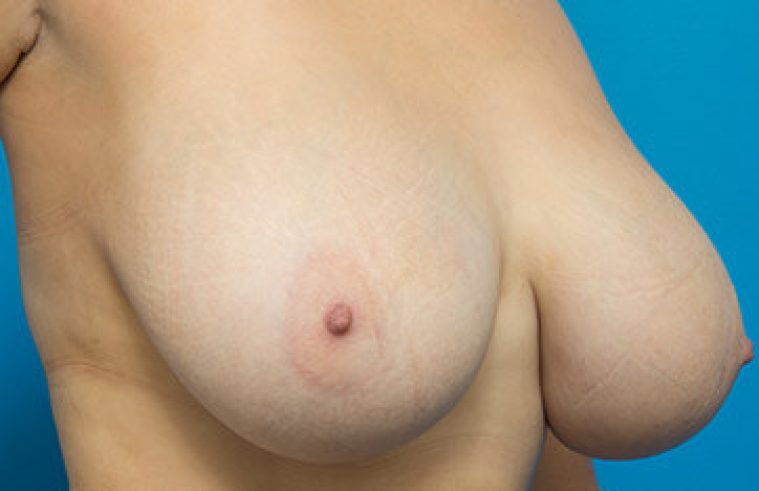
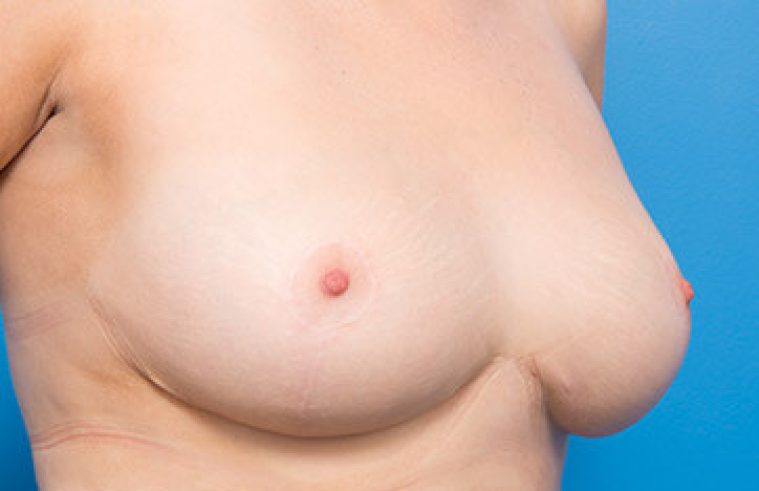
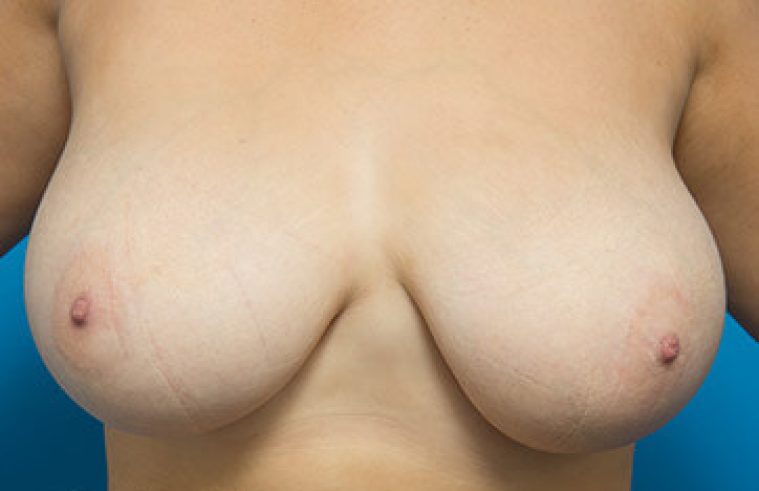
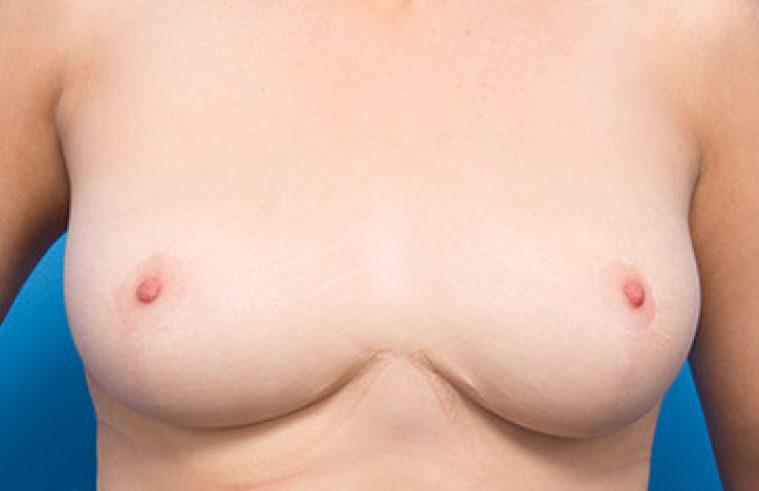
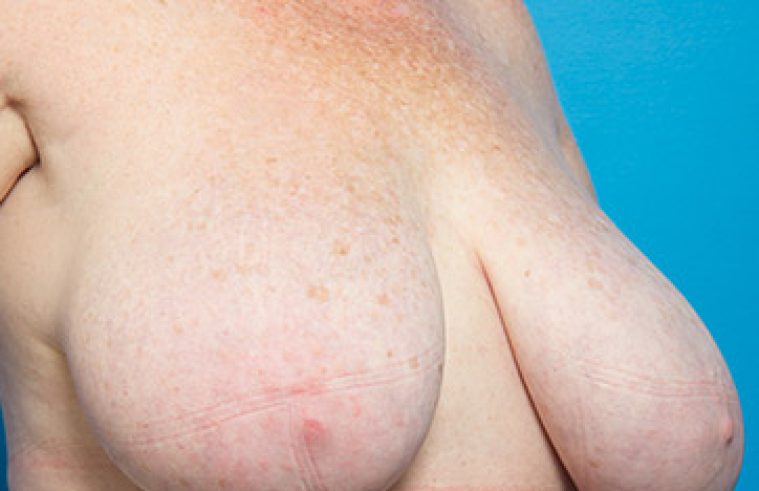
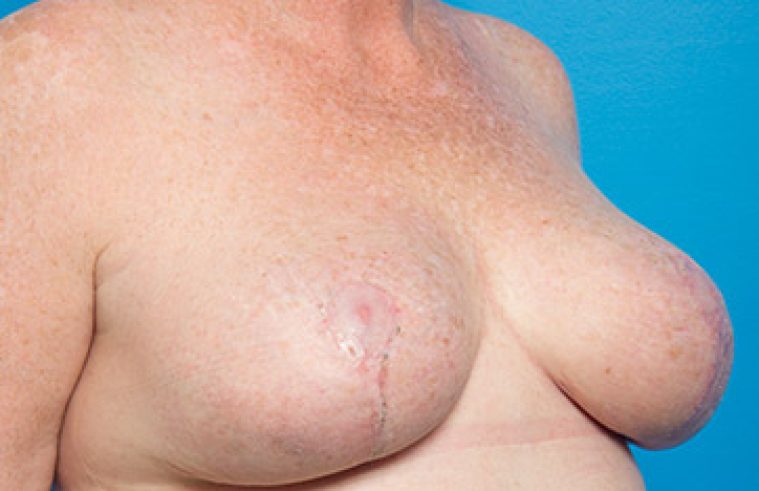
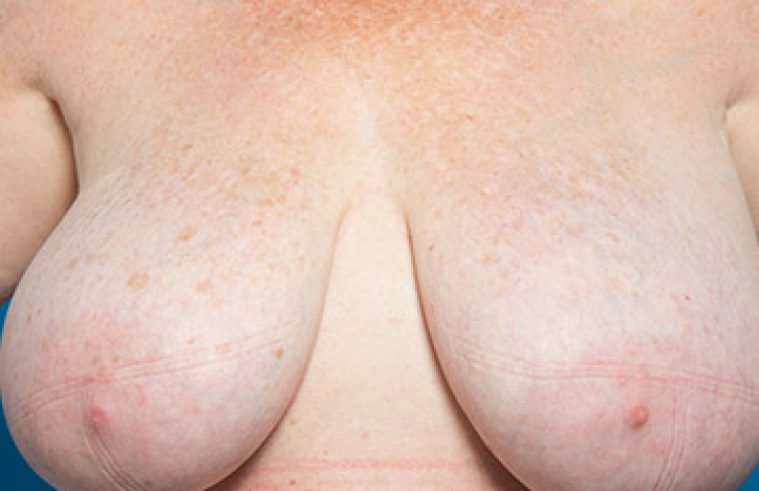
Breast Reduction Before and After Gallery
The outcomes shown are only relevant for this patient and do not necessarily reflect the results other patients may experience, as results may vary due to many factors including the individual’s genetics, diet and exercise.

Breast Reduction: Frequently Asked Questions
How much does a breast reduction cost?
There is no one fixed cost for breast reduction surgery because every patient has slightly different requirements.
Along with the amount of breast tissue to be removed, surgeon, hospital, and anaesthetist fees will also need to be considered before a final cost can be determined. A/Prof Magnusson can provide you with a detailed quotation following a consultation. Since breast reduction surgery is often deemed medically necessary, there is a good chance that a portion of the costs will be covered by your private health insurer or Medicare. A/Prof Magnusson can take you through the details of claiming a rebate during your consultation.
What can I expect during my breast reduction recovery?
While most patients can go home on the same day as their surgery, others may need to spend a night in the hospital.
You will need to arrange for someone to drive you home from the hospital, as your range of movement will be very limited. Patients will need to spend at least a week recovering at home after surgery, during this time, bruising, swelling and general discomfort can be expected. Patients are encouraged to sleep on their backs for a week or two to avoid placing unnecessary pressure on the breasts. A compression garment will need to be worn for six weeks to aid healing and reduce swelling. In terms of exercise, light exercise is permitted after two weeks but any strenuous exercise will only be possible after six weeks.
What scarring can I expect after a breast reduction?
Scarring is inevitable after most surgical procedures.
Every effort will be made to keep incisions and scarring barely visible by placing them in areas that are generally covered by clothing. With the right wound care and scar management, patients can keep scarring to a minimum. Using silicone gel strips during recovery and keeping scars out of direct sunlight are two steps that can be taken to minimise scarring.
What are the risks associated with a breast reduction?
Infection and haematoma are two risks that are associated with most types of breast surgery. Infections should be treated with antibiotics as soon as possible. If haematoma occurs, the blood can be absorbed naturally by the body but if not, surgical drainage will be required. There is also a chance that the breasts could end up slightly asymmetrical but most women don’t have perfectly symmetrical breasts to begin with. Loss of nipple sensation is another risk associated with a breast reduction. However, sensation almost always returns after several months.
How long do breast reduction results last?
A breast reduction is designed to produce permanent results. However, age, weight fluctuations and hormonal changes can all affect the breasts later on in life. It’s very rare for a patient to require a second breast reduction procedure.
Will a breast reduction affect my ability to breastfeed?
Due to the advanced breast reduction techniques that are used, it’s unlikely that this procedure will affect your ability to breastfeed. It’s important to note that some women struggle to breastfeed regardless of whether they’ve undergone surgery or not, so there’s no real way to predict whether this will be the case for you.
When can I start wearing normal bras again?
Your compression garment will be the only bra you can wear for the first six weeks. Thereafter, patients can start wearing normal bras again, provided they’re not underwire. After about three months, the breasts will have settled and most, if not all of the swelling, will have subsided. This is when you can start purchasing and wearing any type of bra you’re most comfortable with. In most cases, patients should ideally wait at least six months before they start spending money on any expensive underwear, as this will ensure their breast size is accurate.
How should I prepare for a breast reduction?
A/Prof Magnusson will take you through the specifics of how to prepare for your surgery during your second consultation. Patients will have a smoother surgical and recovery experience if they’re in good health. This means that regular exercise and healthy eating are encouraged in the weeks leading up to the procedure. Patients are also encouraged to stop smoking at least two months before the surgery, as this will aid healing. There are also certain supplements and medications that will need to be eliminated from your routine prior to surgery, but A/Prof Magnusson will advise you on this once your medical history and lifestyle have been reviewed.
A/Prof Mark Magnusson, Specialist Plastic Surgeon (Medical Practitioner). AHPRA registration number MED0001382689, specialist registration in Surgery (Plastic Surgery). FRACS (Plast).
Book a breast reduction consultation in Toowoomba or the Gold Coast
Whether you’re located in Brisbane, Toowoomba, the Gold Coast or elsewhere in Queensland, A/Prof Magnusson is available to provide you information on reduction mammoplasty surgery, including the risks and recovery periods, and additional procedures including breast lifts and abdominoplasty. Arrange a consultation at either his Toowoomba or Gold Coast clinics today by contacting reception.